Registered under the National Arts Council of Zimbabwe

11 July 2013

WIN Newsletter, Issue No 69


EDITORIAL


 Aspiring writers mixing and mingling after a meeting on July 6, 2013, at the National Art Gallery

 We hope we find you well. Writing is incomplete without publishing, hence while we offer manuscript reading services, we have come to believe that we can as well be a publisher of our members' works such as  short story and poetry collections and novels.  We urge our new writers to be patient. Meanwhile, the deadlines for our '4 in 1' Poetry Anthology and the annual WIN/GAT Short Story Writing Competition are fast approaching. Go ahead, submit yours! Last but not least, we would like to thank writer Aaron Chiundura Moyo for the  wise words of advice on July 6 and the National Art Gallery for the support. Enjoy!


WIN PONDERS VENTURING INTO PUBLISHING
 

 Renowned writer Aaron Chiundura Moyo who was Guest of Honor at the WIN meeting to discuss the publishing idea

WIN ongoing manuscript assessment programme has taken a new route as the writers association now considers possibility of expanding its wings to cover publishing writings of its members.
The idea to work with existing publishers to discover new writing talent was discussed at a meeting held recently with some of WIN members who have so far handed in their works for assessment.
The meeting, held on July 6, 2013, at the National Art Gallery in the afternoon, was graced by renowned actor and author Aaron Chiundura Moyo.
In the past few years, the publishing industry had given up on the risk to publish new authors due to a number of factors such as difficult business circumstances and poor general book buying culture leading publishers to fix eyes on profitable textbook publishing.
Furthermore, the disappointing death in the late 90’s of the Literature Bureau, a government-run institution which discovered some of the writers being celebrated today, left a gap in the book industry.
In his speech, AC Moyo, now author of about fourteen books, recollected his early days as a writer when he, despite just too many rejections, constantly submitted his manuscripts to the Literature Bureau. He explained the Literature Bureau’s process of manuscript assessment and how impatient sometimes he and fellow new writers grew while waiting for feedback. He said as an upcoming writer, he cried many times when his manuscripts were rejected.
Admitting that publishing may be a long road, he praised the new writers for coming together to discuss what they need; saying meetings like these hardly took place during his days as a new writer.
“You are lucky because your manuscripts are being read and returned to you with reports that show you new ways of improving your work,” he said.
Patience, he said, is important for a writer. Regarding the new WIN publishing concept, AC Moyo strengthened the association to keep the dream alive.
During open discussion, the members pointed out areas that matter most in this new publishing initiative such as doing a book market research and encouraging each other to do focused writing. Although they so much want to reach out to their communities with their works, the members said it would also be worthwhile for WIN to engage in dynamic ways of reaching out to the international book market. They also called for novel writing workshops to improve their skills.
So far, about twenty manuscripts, mostly Shona and English novels and poetry collections, have been submitted to WIN by its members for assessment.  Some have been returned to their authors with reader reports, others are still being read. 
With enough professional attention, WIN believes the manuscripts it so far has witnessed have the potential of making it into the limelight as valuable contributions to the growing Zimbabwean literature.


Below are Pictures from the Meeting

Upcoming writers: Freedom Gengezha, Tawanda Kandenga and Aloius Sagota
 
Hatina Dube (upcoming poet), Tendai Chinhoro (upcoming novelist) and Liberty Chaza (upcoming poet)
WIN Director presenting


Brainstorming
 
Catching them young, Annabella Kumbewu, listens attentively
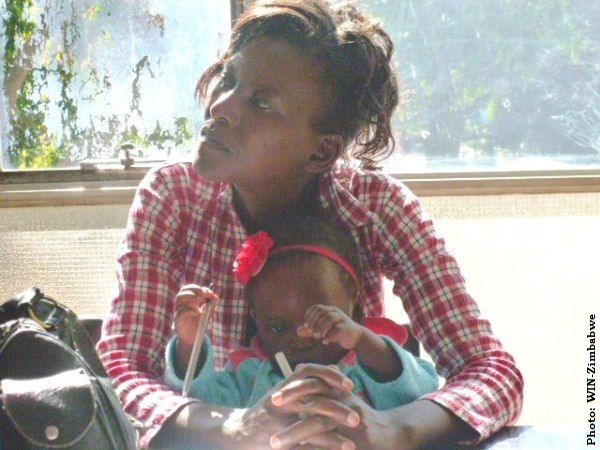
Nosta Kumbewu, upcoming novelist
 
Shuvai Mashongwa, upcoming novelist
 
'We got style': Group photo of new writers who attended the meeting


KWANI? MANUSCRIPT PROJECT WINNERS

Here are the winners of the Kwani? Manuscript Project as announced by Kwani Trust

First Prize

Jennifer Nansubuga Makumbi (Uganda)
Title of manuscript: The Kintu Saga

Second Prize

Saah Millimono  (Liberia)
Title of Manuscript: One Day I will write About This War

Third Prize

Timothy Kiprop Kimutai (Kenya)
Title of Manuscript: The Water Spirits


THE REGULAR WRITER

Creative Writing Tips
With
Christopher Mlalazi

Perseverance

Many of us, from the time we start writing, have a deep wish to be ‘big’ writers one day, and we have our role models from the creative writing world who inspire that dream, those big names, Dambudzo Marechera, Salman Rushdie, Joyce James, etc. With those names in mind, and the aura of fame around them, we often make the mistake of thinking that they got to peak of the proverbial Mount Everest overnight, or instantly. With that we find ourselves writing in a rush, thinking that as soon as we finish our manuscripts tomorrow we will be sitting with the Gods and basking in the glory.  But this is not the case at all, all great writers toiled through years and years of manuscripts that first did not work, of frustration, of even thinking of abandoning writing, until, years and years later, and now through experience, and countless manuscripts, they finally wrote something that worked.  Invest in patience, your day is waiting ahead for you in the future, you only have to work that much more harder for you to make it come nearer.
  
 
NGATINYOREI

Bhachi Ramukoma Mutsemhure


Na Clever S Kavenga (Mutare)

Chikamu 2

Nguva nenguva ndainetsekana nebhachi ramukoma Mutsemhure. Bhachi rainge rake pedzezvo ronge harisi rake zvakare! Bhachi tsvuku iro vaisamboda kuti rive zvaro nekanonzi katsvina zvako. Bhachi tsvuku raipfekwa roitazve serisingapfekwi! Nguva zhinji waingoriona rakabatirwa mumaoko.
Zvino ndichiri kudhonzana nepfungwa dzavazhinji dzokuti bhachi iri rinenge risiri remunhu anoripfeka ndakasangana nevamwe vasikana vana. Vaikurukura zvavo vakatakura masvinga avo ehuni. Vaikurukura vachitoseka chikuwe sezvinonzi vakatakura zvinhu zvisingareme! Vaitaura nezvebhachi ramukoma Mutsemhure hongu. Mazwi avo aive azere nekarufaro kaiunzwa nezvo vaikurukura panguva iyi. Ndakanzwa sevaiti bhachi iri rinenge raive bhachi rechikadzi! Ndoda kunyatsonzwa vabva vangoti uyu kwake uyu kwake sezvo vaive wotopinda mumisha.
Ndazongosara nepfungwa yokuti zvinoreva here kuti mukoma Mutsemhure vaisaziva kuti bhachi ravo , bhachi ravanodisa nokuti rakanaka, bhachi ravaibatisisa sezai, raive bhachi rechikadzi?
Pandakazoona mukuru uyu ari munzira inopfuura nekumagirosa ndakafara.
Vaimbumura fodya yavo vachiita sevainyatsoteerera  mafambiro aiita hutsi nemunhuwi wefodya iyi mutsinga dzenyama dzavo. Takasweresana vakadavira zvakanaka-naka.
Ndaigaya kuti ndoitanga sei nyaya iye, nyaya yebhachi iye.
 Takafambidzana kwekachinhambwe ndipo pandakazovabvunza zvangu ndichiti, "Ko nhai mukoma hindava kusapfeka bhachi renyu nhasi? Pose pamunenge  makapfeka bhachi renyu munenge muri ‘ Huzu’ chaiye! Hapana anoti pwee mumana rino rose hapana. Handinyebi  ini , kana VaTaswerera chaivo vanotokuzezai vachikuonai makaripfeka."
Apa  dzakanyemwerera zvadzo ndokukweva fodya yadzo zvinyoro nyoro ndokuti, “Hohoo bhachi?” nezwi rinenge raive nezvaraifunga panguva iyi.
Dzatanga kufuridza hutsi huye wadzaive dzambokweva muhwezva wacho huchitsakatikira mumhepo ndinoutarisa zvangu.
 Dzadzokorora zvakare nezwi rakapfava; “Ho hoo unoreva bhachi rangu nhai?”
Apa ndamudavirawo ndichiti, "Hongu bhachi renyu tsvuku riye rakanaka sezvinonzi harina parakasonwa! Bhachi rakanaka rinoita sezvinonzi harizombofi rakasakara richibvarukawo zvinoita zvimwe zvipfeko."
Mukoma Mutsemhure vanoseka. Vanoramba vachiseka votozopedzisira vakatyidzwa! Ndaona twumisodzi mumaziso mavo, twumisodzi twekufara ndinodavira kudaro ini.
Mukoma Mutsemhure vanditarisazve kwekanguva vachingonoseka zvavo zvinombovhiringidzwa  nekakukosora.
Ndazonzwa vachiti; “ Heya bhachi ndoraunoreva nhai?”
Vambonyararazve ndokubvisa gararwa riri pahuro pavo vachirisvipira kwakadaro uko .
“Rungano unoda kuziva nezvebhachi rangu une mari here iwe.?”
‘Mari!?’
Ndabvunza kudaro.
“Ehee mari handiti unoda kuziva? Mazuva ano hapana chemahara mupfana ndikuudze!
Patumari twako twekumaricho twuye chingobvisa dhora zvaro dhora chete chete ndobva ndangokurudunurira nyaya yose.”
 Apa  ndinomboseka apa.
Pava paye ndazonzwa woti, “Kutamba zvangu mupfana, handisikuda mari yako handidi kuti pose paunozotarisa mhoni dziri muzvanza zvako wondiridzira tsamwa wofunga dhora rako. Zvino chinzwa unzwe, bhachi riye rine nhoroondo. Ibhachi randakatenga ndiri mudenga rechinomwe ndakadhakwa nerwunonzi rudo. Hongu ibhachi randakatenga ndizere netariro yerufaro rwaizotevera mangwana nemazuva  mazuva nemazuva aizouya.
 “Zvaunoona  mupfana dzimwe ndangariro dzinodzimba kwazvo dzinenge chironda hachidi kuramba chichingopenengurwa hachipore waona. Asi chirega zvako unzwe kani mupfana wangu.”
Apa vambotarisa rutivi , pada havadi kuti ndione misodzi iyo yoangarara mumaziso mavo.
Dzingadaro dzaive ndangariro dzaive dzoita mudzuwerere mupfungwa dzavo.
Vatanga zvino kutaura nezwi rakaderera zvinogombedzerwa netsamwa apo nepapo vachiti, “Sinodhiya wakaenda unozviziva newewo Rungano, chaakasiya ndiroro bhachi rakasonerwa ndangariro dzerudo rwangu kwaari. Bhachi raSinodhiya raasina mumwewo zvawo musi waakaripfeka. Bhachi tsvuku randakatenga moyo uzere nerufaro ndichibaiwa  baiwa nerudo rwaindipa manyemwe. Ndakaritenga pakati kati pemoyo weguta reHarare. Raive muchitoro chakashongedzwa nemaruva matsvuku akanaka sezvo zuva randakaritenga bhachi iri raive zuva rinopembedzwa nekurangarirwa kwerudo. Ndakaritenga ndichingonyenyeutsa nyemwerero ndichitizve Sinodhiya paachazoripfekawo acharipfeka achinyemwererawo nekasingapere!...

POETRY

In our previous issue, under this poetry column we published a poem by Gwendolyn Brooks. In this issue, our focus still remains on African American women in literature and we continue to celebrate Brooks.

Old Mary

By Gwendolyn Brooks
 
Mt last defense
Is the present tense.

It little hurts me now to know
I shall not go

Cathedral-hunting in Spain
Nor cherrying in Michigan or Maine


IN OUR NEXT ISSUE:


UPDATE ON OUR EPWORTH COMMUNITY OUTREACH PROGRAMME

Proudly Supported by:


KEEP WRITING! KEEP WRITING!

29 June 2013

Our Next Newsletter Coming Soon...


Reading is Power!


_____________________

12 June 2013

WIN Newsletter, Issue No 68


EDITORIAL

...stories that put a smile...


Welcome to the 68th issue of our WIN Newsletter and hopefully we find you well. We are glad with the positivity with which our vision is being received by different people and organizations. We value your support so much. Note that we have extended the deadlines for our WIN/GAT Short Story Competition and Poetry anthology project, read through the newsletter for more details. In our next issues, we have introduced a new column called 'Creative Writing Tips with Christopher Mlalazi'. New writers, this is for you. Enjoy the newsletter!  - Beaven Tapureta, WIN Director & Founder


EPWORTH COMMUNITY OUTREACH GETS NOD

Mary Machado, Form 2 student at Bilaal Islamic Academy and member of Bilaal Writers Club, posing with her certificate after participating in the inaugural annual WIN/GAT Short Story Competition and Workshop last year.


The Epworth Community Outreach Programme launched last year by Writers International Network Zimbabwe targeting Epworth community was recently granted US$3, 426, 00 by the Culture Fund of Zimbabwe Trust in partnership with Sweden.

The contribution towards the outreach programme, and other projects being run by different organizations covering diverse Zimbabwean arts and culture sectors and sub-sectors, was announced last month under the 2013 first circle of the Culture Fund’s grant allocation.

WIN Board member, Tinashe Mushakavanhu, welcomed the contribution and thanked the Culture Fund for the grant. 
"WIN is a writers' organisation with local community roots. As such, the Epworth outreach initiative is very commendable. It opens up a community to the wisdom of books. We thank the Culture Fund for making it all happen through a generous grant," he said.

Some of the activities lined up under the outreach programme include the establishment of writers clubs in schools and registered private colleges in Epworth, holding writing and reading skills workshops for both students and community members, facilitating participation of Epworth-based new writers on local literary platforms and expose them to broader opportunities of learning and sharing information.

The outreach hopes to publish a journal of mixed genres featuring Epworth literary talent.

Launched last year, the outreach seeks to promote writing and reading culture in Epworth community, a high density suburb situated at the fringes of Harare.

Epworth, although a less developed area, has bred gifted artists, only few of whom have broken into mainstream arts because many lack resources and motivation to spur them onward.

So far a writers club has been created at Bilaal Islamic Academy in Domboramwari and some aspiring writers from the community have also registered with WIN. Panashe Banda, a Form Two student and member of the Bilaal writers club, won 2nd prize in last year’s WIN/GAT Short Story competition under the English language category while Supa Mafuta, also from Epworth, won 2nd Prize under the Shona language category.


SHORT STORY AND POETRY SUBMISSIONS DEADLINES EXTENDED 

Established writer Memory Chirere who facilitated last year's workshop following the competition

The deadlines for WIN/GAT Annual Short Story contest that results in a  writing skills training workshop  and the ‘4 in 1’ Poetry Anthology have both been extended to August 31, 2013, to allow more aspiring writers and poets to utilize this grand opportunity.


THE REGULAR WRITER

Mlalazi’s novel defies language barriers


Cover of German translation of Running with Mother

Prolific and award-winning writer Christopher Mlalazi’s Running with Mother, a novel published last year by Weaver Press is breaking new grounds internationally. The book is being translated into Italian and German languages.
Recently, posting on his Facebook page in May, Mlalazi who is in Hannover  City in Germany on a writer’s residency, told friends that the German translation of Running with Mother will be out this year in October.
Apart from the novel, Mlalazi also shared with friends that a German publisher is showing interest in his plays in English and wants to publish them in hard copy and electronically.
How Mlalazi does it is no secret, he said about his plays, “Dear writers who are still starting, never give up, just keep on writing, when opportunity is ready to meet you it will open its door. I wrote this trilogy of plays without a publisher in sight, and with the full knowledge that most publishers were not taking plays, but I just kept writing, because I loved the idea, and if you love something, there is that one small chance in the world you will maybe one day find somebody who also loves the idea.”
Locally, Running with Mother is available from publishers Weaver Press in Harare and amaBooks in Bulawayo.

NGATINYOREI

Bhachi Ramukoma Mutsemhure
Na Clever S Kavenga (above)
 
Chikamu 1

Ukariwona unongonyemwerera wega. Ehee ukariwona iwe unongogutsurira wega musoro sechigumukumu.
Ini kutaurawo zvangu , hamusati mariona imi! Iro chete ndiro roga rinenge richiratidza kuva neupenyu panoita sepasina  hupenyu! Ehee iro roga ndiro rinenge richiratidza hutsva mukati rinenge dongo zvaro!
Ukamuona akaribopa unonzwa moyo wako uchikudhonzera kure kure. Kure kwaunotya kuenda woga kunyangwe zuva rakacheka nyika nokuti kunorira shiri dzinofamba usiku.
Bhachi ramukoma Mutsemhure rakanaka!
Ibhachi risingapfekwi pose pose kunyangwe zvazvo mazuva ano vanombopota vachienda naro kunonwa doro kumagirosa uku.
Asi haanwi doro akaripfeka kwete, anorikurura woriturika pabazi remuti rotsvedzerera nokungobatwa batwa. Mukoma Mutsemhure anoti haadi kuti bhachi iri rizozare masese rarasikirwa nedoro kana vachinge vachinwa zvavo.
Vanogarazve nepurasitiki ravakatenga rakaputira bhachi iri. Kana vadhakwa havazoripfeki asi kuti vanoridzosera mupurasitiki riye woritakura. Bhachi ramukoma Mutsemhure rinochengetedzwa zvakanaka sebhachi rakangozvinakirawo zvaro. Unoona mukoma Mutsemhure achidzadzarika naro kana vachinge vadhakwa. Iye angadonhe zvake asi iro bhachi racho harimbofi rakatsvara pasi kunyepa chaiko!
Vanoritarisa woritenderedza wonyemwerera wozoriti pamapfudzi  pavo dzvaa wotanga zvavo kudzadzarika vachingoenda.
Chiro chimwe chavanokanganisa mukoma Mutsemhure kuzonogezera bhachi iri kurwizi kwaNyarunhombo!
Kugeza bhachi rakanaka , bhachi rine tumafurauzi mukora umu,kwava kurigezera kurwizi chaiko mukoma Mutsemhure vakomana!
Zvino vachadzidzawo riinhi ?
Havaoniwo zvinoitwa namudhara waKefasi?
Bhachi remukuru uyu rinotoendwa naro kunogezerwa kuNyanga kana kwaMutare chaiko kune dzimba dzinogezerwa hembe.
Unonzwa Tizvirinde achiti; ‘ Mhepo chaiyo inotogezawo yakasanganiswa nemishonga hembe dzichitochena kuti njunjuu.’
Tizvirinde! Tizvirindeka! Hameno  pamwe kunongova kunyeba kwake uku.
Zvino bhachi ramudhara waKefasi rikanogezerwa kwaMutare rinodzoka richinhuwirira kunge nyuwani.
Zvino rinenge ranyatsochiswa zvakanaka zvekuti ukamuona mudhara waKefasi vakaripfeka ungonofunga kuti zvimwe vari kuda kuperekedza muchato!
Asi iwo  apa vanenge vachienda zvavo kumagirosa uko kunonwa doro kana kufamba vachitsvaga  mune ndari mumaraini umu!
Mudhara waKefasi vanodawo  bhachi rawo zvakanyanyisa muchivaona henyu kudai.
Pose pavari vanongoonekwa vachiriguma guma nekuripukuta pukuta nekachira kavo kanogara kari muimwe yehomwe dzebhachi iri.
Haisi iye hengechefu yavanopukutisa dikita kana  kubvisisa madzihwa  kwete.
Hengechefu yemadzihwa nedikita inogara muhomwe dzebhurugwa ravo.
Kachira kachena aka kanogara muhomwe yebhachi yepachipfuva kachiita sekanodongorera zviri panze sezvinonzi kanewo maziso ayo kanoona nawo.
Haikonazve bhachi ramukoma Mutsemhure , bhachi tsvuku rine mabhatani anon’aimira matatu. Mabhatani ane kakutosvora mukati ukaramba wakaatarisa.
Kunyangwe zvazvo tichiziva kuti bhachi iri nderamukoma Mutsemhure vanhu vazhinji havagutsikani kuti nderavo zvechokwadi.
Ndizvo pane vaviri kana vatatu vanongobvunzana nezvebhachi iri kuti nderaani kunyangwe pasina mumwe munhu anoripfeka kunze kwavo mukoma Mutsemhure.

NHETEMBO/POETRY

Chipo Ndechangu

Na Hatina ‘Mutatariki’ Dube

Ndechangu ndati ndechangu
Icho changu ndechangu kuseva ndinosiya muto
Changu ndechangu hachiguurirwi munhu sehazu
Hachironzwi semombe
Chiri muropa
Uye ndechangu

Nechangu ndodetemba ini mudzani werenje
Nechangu ndotatarika ini mutatariki
Ndorunga nokuruka mutauro
Kunge amai vanoruka chirukwa

Chipo chinorwadza munyama
Kunge munhu ane mota risina kupuurwa
Chinenge kashavi keuvhimi
Kanopedza hope kana kasvika

Vasina godo ndipeiwo mwenje nditungidze
Ubvire kusvikira vanegodo vakanda mapfumo pasi
Nokuti pangu pamuviri pakwana mwedzi wapo
Ndinoda kuzvara murairidzi ane rudo
Ndoita mutema rege wembada
Ndomhara kunyange nemuminzwa
Pane ino nyaya zete
Nepane yoyo ndure
Nechangu ndichakusiya woona
Nokuti chipo.

We Real Cool

By Gwendolyn Brooks (1917-2000)

The Pool Players.
Seven at the Golden Shovel.

 
We real cool. We
Left school. We

Lurk late. We
Strike straight. We

Sing sin. We
Thin gin. We

Jazz June. We
Die soon.

(Gwendolyn Brooks was the first African American writer to win a Pulitzer Prize in poetry (in 1950) and Poet Laureate of Illinois. Brooks’ works focused on the plight of common people. Respected for her technical skill and sophistication, she wrote for the African American audience, testing the relevance of her work and the clarity of her message by giving readings in taverns and other public places.) 

'HIM WHO REFUSED'

Dambudzo Marechera (1952-1987)

JUNE IS THE MONTH IN WHICH DAMBUDZO MARECHERA WAS BORN, THEREFORE WE ‘JAZZ JUNE’ FOR HIM…

 _________________________________________

Don't miss
"Creative Writing
Tips with Christopher Mlalazi"
 

column coming in our next issues...


___________________________________________________________


Keep writing! Keep reading!


08 June 2013

Passing Note Of Thanks


Beaven Tapureta, WIN Director & Founder

Since 2010, WIN has walked a two and half year journey with strength and vision, guided by principles of professionalism.  It however would be misleading to say the road has been or shall be smooth. Or without ‘potholes’ as one would say. Like a child dreamer, we have ducked the arrows of negation, parried the spears of difficult, trod on thorns of belittlement, listened to your advice and yet we have avoided small-mindedness and accepted our weaknesses. We have moved on, inspired by the rhapsodies of our motherland’s blooming literature. We have made friends. Although there may be little we have achieved so far, we know we have collectively done so with you. And there is still lot of work we love to do.  The next issue of our regular online publication, The WIN Newsletter, is definitely coming soon with more intriguing updates; we thank you for the patience and support. Stay afloat of all that you do, you authors are blessed with natural authority over the different spaces you occupy.

Best Regards

___________________________________


05 June 2013

Book Review


Title:                                       Manjanja –The Shining Red Fruit
Written and Illustrated by:   Wizzy Mangoma
Publisher:                               PublishAmerica, USA
Year:                                       2011
ISBN:                                      978-1-4626-0475-3
Reviewer:                               Beaven Tapureta


Stories do more than just entertain; they also teach a lesson and exhibit cultural values of a particular people.

Manjanja –The Shining Red Fruit is written as a children’s tale but it appeals to adults as well.

From long ago, people have acted without thinking about the consequences and this, for children, is a vice that they have always been taught by parents to avoid. Acting without thinking is exactly what Kanda, the main character in this tale, does.

Kanda and his family live in an African village. As the story unfolds, one is made to understand the cultural values of the African people which include hard work, sharing, and forgiveness. The people in the village subsist on growing crops and keeping animals and are happy as the seasons are generous. 
Kanda and his family, being owners of one of the biggest pieces of land in the village, are rich and hard workers. The villagers honor them but there is some behaviour unknown to everyone, including his family, which Kanda has.

The writer does well with her simple but captivating language when describing human behaviour. Kanda receives reverence from everyone but he takes it for granted. Being rich, he foresees no trouble in the future.

However, drought strikes the village. Hard times replace good times. One would predict Kanda will give up work in his field and follow others walking miles away to look for food. But he and his family carry on going to the fields to take care of the little crops they had planted.

The author uses the journeys to the field to reveal what Kanda is really made of. On one of their journey to the field, Kanda becomes weak and thirsty. It happens also that his wife has forgotten to carry water on this journey.

Children will like this part because it carries a supernatural character called Manjanja, which is a talking tree. The interplay of reality and ‘super-nature’ brings forth entertaining episodes that lead to the revelation of Kanda’s character and how his family and the village forgive him.
Kanda does not tell anyone, including his family, about Manjanja-The Shining Red Fruit, which he discovers when he decides to go to the nearby river to get water while his family continues with the journey to their field.

It becomes a habit that each time they come to the spot near the tree on their way to the field, Kanda excuses himself from his family and goes to the tree to sing and the tree would throw down big red fruits which he gormandized alone.


In this time of hardship, Kanda’s selfish behaviour is exposed. While others eat little or no food at all because of the drought, he secretly feeds on fruits and no longer eats at home. His family and the villagers become suspicious of his avoidance of food and they begin to think he is sick.
Nothing bad lasts forever as one day his wife asks her ten-year old son, Saka, to secretly follow his father into the bush. Saka is shocked to see his father singing and dancing around a tree, gathering and eating fruits dropping from the tree.

Saka must have been a genius, for he learns his father’s song quickly. Children love songs in tales. The song is the apex of the story, from here the story approaches dénouement. He tells his mother about the tree, the falling fruits and recites the song very well. The tree is no longer a secret. His mother, Seni, hatches a plan which carries the moral of the story.

While Kanda takes an afternoon sleep in the field, his family, led by Saka, visits the tree. They sing the song around the tree and surprisingly fruits start falling from it. They fill baskets and Seni tells her children to hide them at home where Kanda would not see them.

In the song there are these words,

 “…If I show them the fruits, shine, shine/
They will take them all away from me, shine, shine…”

This song was taught to Kanda by the tree and one then concludes the tree was predicting its future, for when Kanda’s family sing around it for a long time, all its fruits fall down. They then hang stones in the tree.

Selfishness is punished when the next day Kanda comes to his tree and sings and instead of receiving fruits, he is hit by huge stones falling from the tree. If one carries a secret, it is painful to then secretly bear the effects of the secret when it turns sour.

One of the African values upheld in the story of Manjanja is forgiveness. Instead of shouting down on Kanda for being selfish, his wife and children and the villagers forgive him and he learns about sharing and giving.

The author, Wizzy Mangoma, published a motivational poetry collection titled Moment Treasures (2010, Createspace), which is available on Amazon.com. In 2011, she co-authored the book As They Find A Way: A Journey of Various Creative Zimbabwean Women with Zimbabwean model Teurai Chanakira.  Born in Zimbabwe, Wizzy Mangoma is a writer, model, designer, motivational speaker, spoken word artist, poet, dancer, and story-teller. She has traveled and performed in various groups and projects ranging from United African Ballet of Denmark to television series. She has worked with children from all backgrounds including children with special needs. She also worked with charity organizations coordinating various campaigns. She returned to her homeland Zimbabwe this year from Dallas, Texas, where she was based.